
Reconstructive Surgery
Restoring Form and Function Through Advanced Reconstructive Techniques
Dr Joseph Luo provides expert reconstructive surgery for skin malignancies, facial trauma, and hand conditions. With extensive experience from complex cases in Australia, Asia, and Africa, Dr Luo combines meticulous surgical technique with a patient-centred approach. Whether treating skin cancer, repairing traumatic injuries, or addressing elective hand conditions, you’ll receive comprehensive care focused on restoring both function and appearance.
Skin Lesions
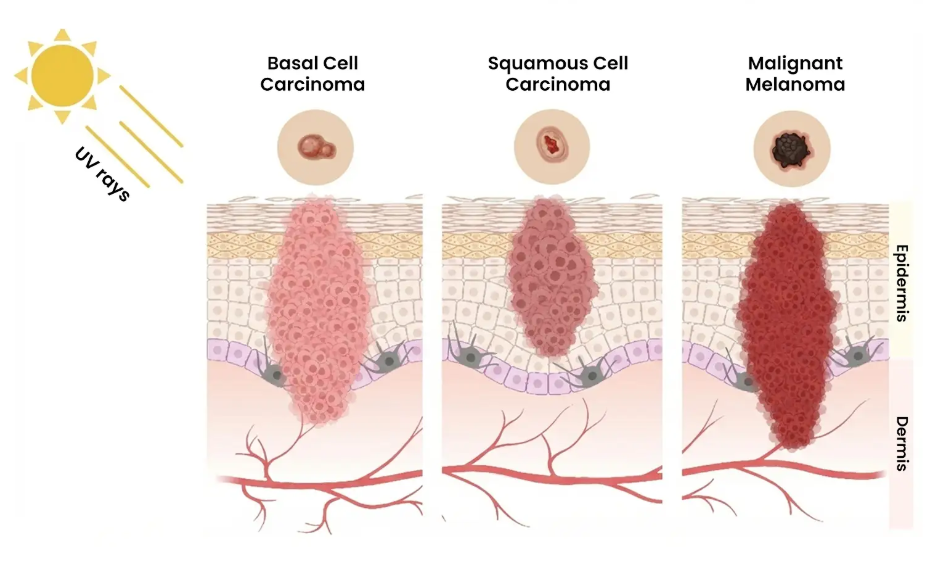
Skin lesions are common and may develop due to sun exposure, ageing, genetics or changes within the deeper layers of the skin. They can be benign (non-cancerous) or malignant (cancerous), and early assessment is important for accurate diagnosis and appropriate treatment. Managing skin lesions focuses on maintaining safety, comfort and function while preserving aesthetics as much as possible.
Procedure Benefits
Treatment aims to achieve an accurate diagnosis, remove suspicious or symptomatic lesions and restore natural skin contour. Benefits may include reduced risk of progression in malignant lesions, relief from irritation or bleeding, and improved comfort in areas affected by raised, inflamed or fragile skin changes. When elective removal is chosen for skin lesions, the objective is to achieve an optimal aesthetic result with minimal scarring.
Common Concerns Addressed
Evaluation and treatment may be recommended for:
- Lesions that change rapidly in colour, size or shape
- Spots that bleed, itch or fail to heal
- Areas of sun-damaged skin with surface or texture changes
- Lesions that catch on clothing, cause discomfort or impact appearance
- Lesions identified during routine skin checks as potentially concerning
Skin Malignancy
Skin malignancy includes cancers such as basal cell carcinoma, squamous cell carcinoma and melanoma. These can arise from long-term sun exposure, genetic predisposition and/or environmental factors. Early detection is essential, as treatment is most effective when cancers are identified early.
Assessment:
Dr Joseph Luo will assess the lesion’s appearance, growth pattern and behaviour. A biopsy may be recommended to confirm diagnosis before planning treatment.
Treatment:
Management options depend on the cancer type, size and location. Topical or Laser therapies may be considered in select superficial skin malignancies. However, surgical excision is most commonly required to remove the malignancy with a margin of healthy tissue. Reconstruction may involve local flaps or skin grafts to resurface the area of excision. Dr Luo works in conjunction with with radiation oncologists, medical oncologists, dermatologists and a multi-disciplinary team to ensure up-to-date and evidence-based treatment of skin malignancies. When required, he will also perform sentinel lymph node biopsy and lymphadenectomy procedures.
Recovery:
Swelling, mild discomfort or tightness around the incision are common initially. Most individuals resume daily activities quickly. Ongoing follow-up helps monitor healing and support long-term skin health.
Benign Skin Lesions and Scars
Benign skin lesions include cysts, lipomas, moles, seborrhoeic keratoses, dermatofibromas and other non-cancerous growths. While harmless, they may cause irritation, discomfort or cosmetic concern. Scars, whether from injury, surgery or inflammation, may also affect texture, contour or function.
Assessment:
Evaluation focuses on the lesion’s behaviour, depth and impact on surrounding tissue. Imaging or biopsy may be recommended if diagnosis is uncertain.
Treatment:
Benign lesions can be removed through simple excision, shave excision or involve other soft-tissue techniques depending on their depth, size and location. Scar treatments may involve excision, revision or realignment to camouflage, improve contour and reduce tension. The aim is to achieve a natural, functional result while minimising visible scarring.
Recovery:
Healing is generally straightforward, with most patients returning to normal activities within a few days. Over time, tissues soften and the treated area blends more with the surrounding skin.
Facial Trauma Reconstruction

Facial trauma reconstruction involves the assessment and repair of injuries affecting the bones, soft tissues and functional structures of the face. These injuries may arise from accidents, sporting impacts, falls or other incidents. Because the face plays a key role in breathing, vision, communication and expression, timely reconstruction is essential to restore both form and function.
Procedure Benefits
Reconstructive treatment aims to restore facial symmetry, stability and normal function. Benefits may include improved breathing, corrected bite alignment, restored eye support, and repair of soft tissue that protects facial expression muscles and nerves. Treatment is carefully planned to preserve natural appearance while ensuring structural integrity.
Common Concerns Addressed
Facial trauma reconstruction may be required for:
- Facial bone fractures affecting the jaw, cheekbones, nose or eye socket
- Lacerations or soft tissue injuries involving the skin and deeper layers
- Injuries affecting eyelids, lips, ears and nose
- Nerve injuries leading to motor or sensory changes
Soft Tissue Trauma (Lacerations)
Soft tissue injuries such as lacerations, abrasions or tissue loss commonly occur with facial trauma. Because the face contains intricate structures, muscles of expression, nerves, ducts and functional layers, precise repair is essential for optimal healing.
Assessment:
Dr Joseph Luo will assess wound depth, direction, tissue viability and for the involvement of nerves, muscles or ducts. Careful examination for any deeper or occult injuries and foreign bodies facilitates precise exploration, debridement and wound closure. Occasionally, imaging such as CT/MRI scan may be necessary.
Treatment:
Soft tissue repair involves layered closure, addressing each anatomical layer individually to optimize movement and expression. Skin edges are aligned precisely to minimise scarring. When tissue loss is present, local flaps or grafts may be used to restore skin integrity and function. Treatment prioritises natural texture and alignment with facial aesthetic subunits.
Recovery:
Early swelling and bruising are normal. Gentle wound care and protection from tension or sun exposure promote optimal scar maturation. Scars typically continue to mature over several months.
Fractures
Facial fractures may affect one or multiple bones, impacting appearance, airway function, bite alignment or eye support.
Assessment:
Imaging such as CT scan is used to understand the fracture pattern and degree of displacement. Dr Luo will assess jaw function, orbital support, nasal alignment and cheekbone contour to create an appropriate reconstruction plan.
Treatment:
Depending on the injury, fractures may require repositioning of the bones (reduction) followed by stabilisation using small plates and screws placed internally (fixation).
Common fracture areas include:
- Maxilla/Mandible – may affect chewing and bite alignment
- Zygoma (cheekbone) – may impact facial width and eye support
- Orbit – may affect eye position or vision
- Nasal bones – may cause visible deviation or breathing issues
Incisions are placed inside the mouth, scalp or natural creases wherever possible to minimise visible scarring.
Recovery:
Swelling, bruising and temporary numbness can occur. A soft diet may be recommended for jaw fractures. Most individuals resume light daily activities within a couple of weeks, with full healing progressing over several months.
What to Expect
During assessment, Dr Joseph Luo evaluates bone structure, soft tissue condition, nerve function and airway stability. Complex injuries may be treated in stages. Reconstruction focuses on restoring facial harmony while maintaining safety and function.
Recovery and Results
Recovery varies depending on the type and severity of trauma. Early postoperative care focuses on reducing swelling, protecting repaired structures and maintaining oral or ocular care where required. Over time, swelling resolves and the face regains a more natural contour. Long-term goals are to restore function, symmetry and aesthetics while minimising visible signs of injury.
Hand Trauma Reconstruction
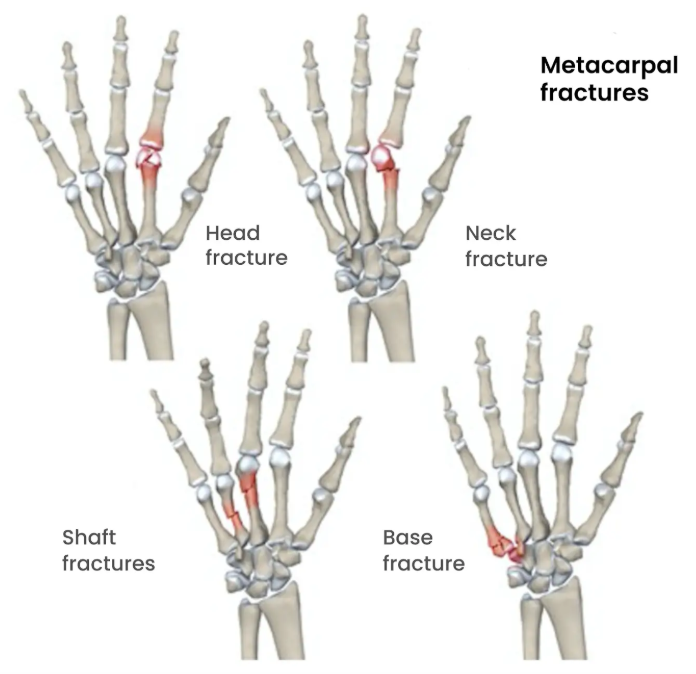
Hand trauma reconstruction focuses on restoring function, mobility and strength after injuries affecting the bones, tendons, nerves, vessels or skin of the hand. The hands are essential for daily tasks, fine motor control and heavy labour activities. As such, timely and accurate treatment is critical. Reconstruction aims to restore normal function, reduce long-term disability and protect the delicate balance of structures within the hand.
Procedure Benefits
Reconstructive treatment can optimize grip strength, restore sensation, stabilise joints and repair damaged soft tissue. Benefits may include restoration of dexterity, reduced pain or stiffness, restoration of tendon movement and function in daily activities. Hand injuries vary widely and may involve multiple structures simultaneously. These can include cuts, abrasions, crush injuries, dislocations, avulsions or injuries from sharp objects. Treatment prioritises functional recovery while minimising scarring and preserving natural hand mechanics.
Common Concerns Addressed
Hand trauma reconstruction may be required for:
- Cuts, crush injuries or deep lacerations
- Fingertip and nail bed injuries
- Fractures of the fingers and hand
- Tendon, blood vessel or nerve injuries
- Soft tissue loss or open wounds
- Joint instability or stiffness following trauma
Soft Tissue Trauma (Lacerations)
Soft tissue injuries may involve the skin, fat, muscles, nerves, tendons, or nail bed. Because of the hand’s intricate structure, even small wounds may involve important underlying anatomy.
Assessment:
Dr Joseph Luo will assess hand circulation, tendon movement, nerve integrity and overall function. Wounds are examined for depth, orientation, contamination and possible underlying structural damage. Imaging may be used to evaluate for occult injuries
Treatment:
Management may involve wound debridement, tendon repair, nerve repair, fracture stabilisation or joint realignment. When injuries involve multiple structures, reconstruction is planned to restore coordinated function and protect long-term mobility. Soft tissue repair involves layered closure, restoring each anatomical structure as needed. Flap coverage or skin grafts may be used for larger wounds
Recovery:
Early care focuses on protecting the wound, reducing swelling and maintaining movement in non-injured joints. Swelling and stiffness are common early effects. Splinting and hand therapy may be recommended to support functional recovery. Scars continue to refine over several months.
Fractures
Hand fractures may result from falls, sporting injuries or crush injuries. Fractures can affect the fingers, metacarpals or wrist bones, potentially impacting grip strength, alignment and hand function.
Assessment:
Dr Luo will assess joint involvement, tendon balance and hand function. Imaging such as X-rays are commonly used to evaluate fracture type and displacement. CT scans or MRI may also be required in certain situations.
Treatment:
Treatment options include splinting, Kwire fixation or open reduction and internal fixation with small plates and screws. The goal is to restore bone alignment and achieve stable fixation while preserving joint motion. Surgical intervention is often recommended when fractures are unstable, displaced or compromising the joint surface.
Recovery:
Stiffness is common following fractures. Early, guided movement is often recommended to prevent long-term stiffness. Dr Luo works in close partnership with specialised hand therapists to minimize swelling and optimise range of motion. Full recovery may take several weeks to months depending on the injury.
What to Expect
During your consultation, Dr Luo will assess structural integrity, movement and sensation. Treatment is tailored depending on injury severity and whether bone, tendon, nerve or soft tissue structures are affected. When necessary, reconstruction is performed in stages to ensure safe healing.
Recovery and Results
Recovery depends on the injury type and structures repaired. Most individuals regain light function within a few weeks, while full strength and dexterity return more gradually. Hand therapy plays an important role in restoring movement. Long-term results aim to support strong, functional hand use while minimising residual stiffness or discomfort.
Elective Hand Surgery

Elective hand surgery includes procedures designed to improve comfort, restore function and address conditions that affect movement, strength or sensation in the hand. These conditions often develop gradually and may impact daily activities such as gripping, writing, lifting or fine motor tasks. Treatment aims to relieve symptoms, restore mobility and prevent progression while preserving natural hand function.
Procedure Benefits
Elective hand surgery can help improve movement, reduce discomfort and support long-term joint and tendon health. For many individuals, it allows for a return to daily activities with greater ease. Benefits may include improved grip strength, reduced pain or numbness, restored finger mobility and correction of structural changes affecting hand function.
Common Concerns Addressed
Elective procedures may be recommended for nerve compression, tendon issues, joint stiffness, benign tumours or conditions affecting the palm and fingers. Early management may prevent long-term stiffness or functional decline.
Below are brief descriptions of common conditions treated through elective hand surgery. These summaries provide general information only and help outline when specialist assessment may be required.
Dupuytren’s Contracture
Dupuytren’s contracture is a condition where the connective tissue in the palm gradually thickens and forms cords. Over time, these cords can pull one or more fingers into a bent position, making it difficult to fully straighten one’s fingers. It often progresses slowly and may affect daily tasks that require full finger extension.
Carpal Tunnel Syndrome
Carpal tunnel syndrome occurs when the median nerve is compressed at the wrist. This can cause numbness, tingling and weakness in the thumb, index, middle and ring fingers. Symptoms may worsen with activity or during sleep. Early assessment and treatment helps prevent long-term symptomatology.
Upper Limb Compression Neuropathies
Upper limb compression neuropathies involve pressure on nerves in the wrist, elbow or forearm. Common examples include cubital tunnel syndrome (ulnar nerve compression at the elbow) and radial tunnel syndrome. These conditions may cause numbness, altered sensation, grip weakness or pain/discomfort along the nerve’s path.
Trigger Finger
Trigger finger occurs when inflammation or thickening around the flexor tendon pulleys restricts smooth tendon movement. This can cause the affected finger to click, lock or become painful when bending or straightening. Symptoms may be more noticeable in the morning or after activity.
Digit Conditions
Digit conditions include problems affecting individual fingers such as joint stiffness/pain, tendon imbalance, deformities or chronic swellings. These issues may arise after injury, overuse or arthritis and can interfere with grip and fine motor tasks.
Ganglion
A ganglion cyst is a fluid-filled swelling that typically arises near a joint or tendon, most commonly on the wrist or fingers. Although benign, ganglions may cause discomfort, weakness or reduced mobility depending on their size and location.
Tumours of the Hand
Hand tumours are usually benign and may develop from skin, soft tissue, nerves, bone or joint structures. Examples include giant cell tumours, lipomas and nerve sheath tumours. Although non-cancerous, they may grow, cause pain, limit movement or interfere with everyday activities.
What to Expect
During your consultation, Dr Luo will assess the issue affecting the hand and make the diagnosis. At times, further investigations may be required (Xray, Ultrasound, CT, MRI, Nerve Conduction Studies). These may be to confirm the clinical diagnosis or to guide surgical planning. Surgery is then planned accordingly.
Recovery and Results
Recovery depends on the type and extent of the pathology treated. Surgical incision wounds will need to be kept clean, dry and protected for 1-2 weeks. Most individuals regain light function within a few weeks, while full strength and dexterity return more gradually. Hand therapy plays an important role in restoring movement. Long-term results aim to support strong, functional hand use while minimising residual stiffness or discomfort.


Ready to Begin Your Journey?
Ready to take the first step towards achieving your aesthetic goals? Dr Joseph Luo and his team are here to guide you through every stage of your surgical journey with expertise, care, and personalised attention.