Facial Procedures

Facial Surgery: Rejuvenation, Balance and Harmony?

Dr Joseph Luo specialises in comprehensive facial procedures that enhance and rejuvenate whilst maintaining facial harmony. From eyelid rejuvenation and rhinoplasty to facial contouring and jaw surgery, each procedure is tailored to your unique anatomy and aesthetic goals. With craniomaxillofacial training and aesthetics expertise, Dr Luo aims to deliver beautiful results that respect your individual characteristics.

Blepharoplasty

Blepharoplasty (1)

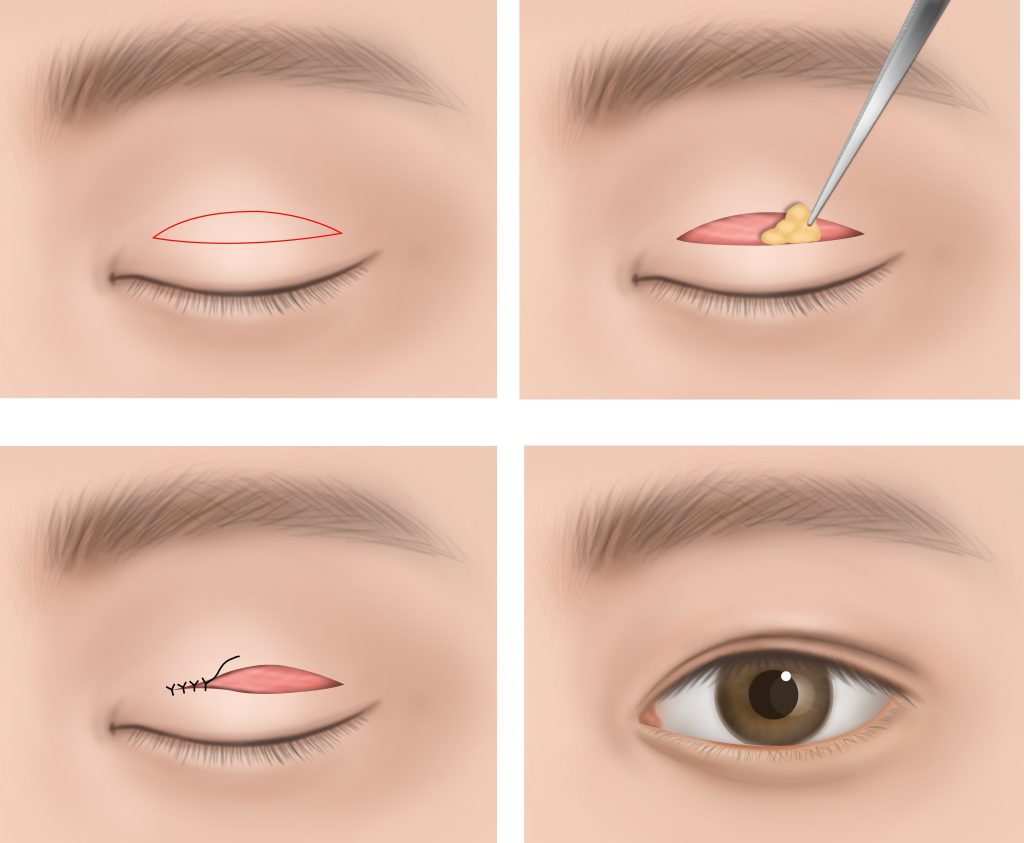
Blepharoplasty, commonly known as eyelid surgery, is a procedure designed to address changes in the upper or lower eyelids that may develop with age, heredity or lifestyle factors. It focuses on improving eyelid function and restoring a more refreshed appearance while maintaining natural features.

Procedure Benefits

Blepharoplasty can help restore a smoother and more open eye contour by improving issues that affect comfort, vision or overall facial balance. The procedure may reduce heaviness around the eyelids, remove redundant skin that interferes with daily activities, and refine the eyelid crease. When performed with precision, the goal is to create a youthful but natural result that aligns with your facial characteristics.

Common Concerns Addressed

Blepharoplasty is often recommended when patients experience one or more of the following concerns:

  • Excess upper eyelid skin that may obscure the natural eyelid crease
  • Puffiness or fullness caused by fat pockets around the eyes
  • Fine lines or loose skin on the lower eyelids
  • Eyebags or Discolouration
  • Shadows or “tired-looking” areas that contribute to a fatigued appearance
  • Functional issues
  • Blepharoptosis (Droopy eyelid)

These changes can occur gradually and affect both cosmetic appearance and day-to-day comfort.

What to Expect

During a consultation, Dr Joseph Luo will assess your eyelid anatomy, skin quality and overall facial structure to determine the most appropriate approach. The procedure may involve removing excess skin, repositioning or reducing fat, and tightening the underlying muscle. Incisions are typically placed within natural creases to help minimise their visibility.

Blepharoplasty is usually performed as a day procedure under local or general anaesthesia, depending on individual needs and whether upper, lower or combined eyelid surgery is recommended.

Recovery and Results

Most patients experience temporary swelling, tightness or mild bruising in the first week. Cold compresses, head elevation and following postoperative instructions support a smooth recovery. Many individuals feel comfortable returning to normal activities within one to two weeks, depending on the extent of the procedure.

As the area settles, the eyes gradually appear more refreshed and defined. Results continue to refine over several weeks as swelling settles, with incision lines that typically soften over time.

Face and neck lift

Face and neck lift

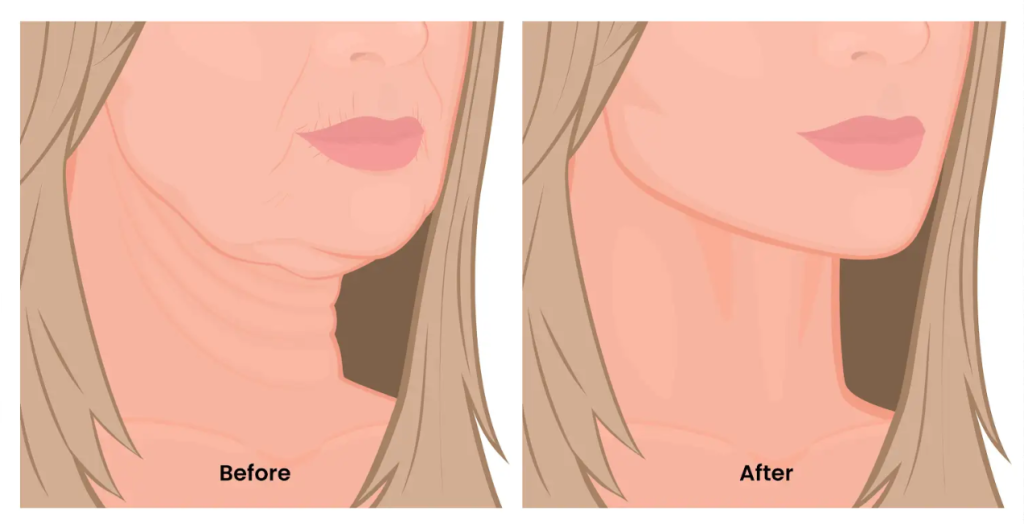
A face and neck lift is a procedure designed to address changes in facial and neck contours that occur gradually with ageing, genetics or lifestyle factors. It focuses on repositioning underlying tissues, refining jawline definition and reducing excess skin to create a smoother, naturally refreshed appearance.

Procedure Benefits

A face and neck lift aims to restore more youthful facial proportions while preserving your unique features. Benefits may include improved jawline definition, reduced skin laxity and a smoother transition from the face to the neck. By addressing deeper structural layers rather than only surface skin, the procedure supports longer-lasting and natural-looking improvements.

Common Concerns Addressed

This procedure may be recommended for individuals experiencing one or more of the following:

  • Sagging skin or soft tissue along the jawline (“jowls”)
  • Wrinkles
  • Laxity or banding in the neck area
  • Deep creases running from the nose to the mouth and from the mouth to chin (nasolabial folds and marionette lines)
  • Loss of mid-face volume and definition
  • Skin folds that create a tired or heavy appearance

These concerns commonly develop as collagen and elasticity decrease with age, affecting facial harmony and neck contour.

What to Expect

During your consultation, Dr Joseph Luo will assess facial proportions, skin quality and underlying muscle tone to determine the most appropriate technique. A face and neck lift typically involves tightening the deeper layers of the face and neck (SMAS and platysma), repositioning soft tissue and carefully removing excess skin. Incisions are usually placed around the ear and sometimes beneath the chin to help keep scars discreet.

The procedure is typically performed under general anaesthesia and may be combined with complementary treatments such as fat grafting.

Recovery and Results

Most patients experience temporary swelling, bruising or a feeling of tightness during the early recovery phase. Supportive measures such as keeping the head elevated, avoiding strenuous activity and following postoperative instructions contribute to optimal healing. Many people feel ready to resume everyday activities within two weeks, although this varies.

As healing progresses, the face and neck take on a more refined and lifted appearance. Results continue to improve over several months, providing a refreshed yet natural look that aligns with your individual facial characteristics.

Facial implants and contouring

Facial Implants and Contouring

Facial implants and contouring procedures are designed to enhance or restore structural definition in areas such as the chin, cheeks or jawline. These treatments aim to create balanced facial proportions by addressing areas where volume, projection or symmetry may be lacking due to genetics, ageing or previous changes.

Procedure Benefits

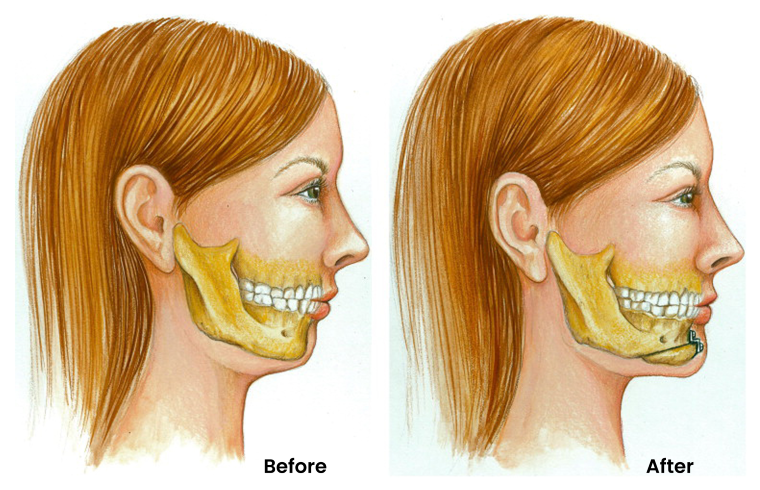
Facial implants and contouring can help refine the overall harmony of the face by improving support and definition in targeted areas. Benefits may include enhanced contour, more balanced facial proportions and improved structural shape. When planned carefully, these procedures aim to create natural, long-lasting results that complement your existing features.  Facial contouring includes hard tissue techniques (such as bone augmentation or reduction, genioplasty or implant placement) and soft tissue techniques (such as liposuction and fat grafting).
Facial Implants and Contouring2 (1)

Common Concerns Addressed

These procedures may be recommended for individuals with:

  • A recessed chin or limited lower-face projection
  • Flattened or underdeveloped cheekbones
  • Jawline asymmetry or reduced definition
  • Facial volume loss associated with ageing
  • Structural imbalances that affect overall facial harmony

Concerns can be genetic or age-related and often influence both the appearance and proportion of the facial profile.

What to Expect

During your consultation, Dr Joseph Luo will assess your facial anatomy, bone structure and soft-tissue characteristics to determine the most suitable approach. Treatment options may include genioplasty, chin/cheek or jaw implants, or contouring techniques such as sculpting bone or repositioning soft tissues. Incisions are typically placed inside the mouth or in natural creases to help minimise visibility.

Procedures are typically performed under general anaesthesia. The type of implant or contouring technique selected will depend on your individual goals and anatomical needs.

Recovery and Results

Most patients experience temporary swelling, tightness or mild discomfort during the initial recovery phase. Keeping the head elevated, maintaining good oral hygiene (if internal incisions are used) and following postoperative instructions can support effective healing. Many individuals feel comfortable returning to routine activities within a few weeks, depending on the extent of the procedure.

As the implants or contoured areas settle, facial definition gradually becomes more refined. Final results continue to develop over several months, providing enhanced structure and proportion that appear balanced with your facial features.

Orthognathic Surgery

Orthognathic Surgery

Orthognathic surgery, also known as corrective jaw surgery, is performed to address functional and structural concerns involving the upper jaw, lower jaw or both. It aims to improve jaw alignment, airway function and facial balance by repositioning the jaws into a more harmonious and stable position.

Procedure Benefits

Orthognathic surgery can help improve oral function, breathing and facial symmetry. By correcting underlying skeletal discrepancies, the procedure supports more efficient chewing, clearer speech and better jaw stability. It can also enhance facial balance by improving the proportions of the mid-face, lower face or jawline.

Common Concerns Addressed

This procedure may be recommended for individuals experiencing:

  • Misaligned jaws causing an overbite, underbite or open bite
  • Difficulty chewing or speaking due to jaw position
  • Facial asymmetry related to jaw structure
  • Obstructive Sleep Apnoea and Snoring
  • Chronic jaw discomfort or imbalance

These concerns often stem from developmental differences, growth discrepancies or long-standing functional issues.

What to Expect

During a consultation, Dr Joseph Luo will assess dental alignment, jaw structure, facial proportions and airway considerations. Planning will involve digital imaging and collaboration with a specialist orthodontist. Orthognathic surgery typically involves repositioning the upper and/or lower jaws and stabilising them with small plates and screws placed internally, with incisions placed intra-orally.

The procedure is performed under general anaesthesia and usually requires a short hospital stay.

Recovery and Results

Patients may experience swelling, tightness or temporary changes in speech, chewing and lip sensation in the early recovery period. A soft diet, good oral hygiene and adherence to postoperative instructions are essential for healing. Many individuals return to light daily activities within a couple of weeks, with swelling continuing to reduce over several months.

As healing progresses, improvements in function, comfort and facial balance become more noticeable. Outcomes are designed to provide long-term stability and alignment.

Fat Grafting

Fat Grafting (1)

Fat grafting, also known as fat transfer, is a procedure that uses a patient’s own fat to restore volume and enhance facial contour. It aims to improve areas affected by age-related volume loss, asymmetry or contour irregularities while maintaining a natural look and feel.

Procedure Benefits

Fat grafting offers a natural method of restoring facial fullness using your own tissue. Benefits may include improved facial contour, refined transitions between facial regions and subtle, long-lasting volume enhancement. Because the fat is autologous, it integrates naturally with surrounding tissues.

Common Concerns Addressed

Fat grafting may be recommended to improve:

  • Volume loss in the cheeks, temples or mid-face
  • Hollowing under the eyes
  • Mild asymmetry or contour irregularities
  • Skin quality and appearance
  • Early signs of ageing contributing to a tired appearance
  • Areas where soft-tissue support has decreased over time

These concerns often develop gradually as natural fat pads diminish and drop with age.

What to Expect

Dr Joseph Luo will assess facial structure, skin quality and donor sites such as the abdomen or thighs. During the procedure, fat is gently harvested, refined and carefully injected into targeted facial areas. Often areas of fat excess in the face are also treated with liposuction.  The aim is to achieve balanced enhancement while preserving natural proportions.

Fat grafting is usually performed as a day procedure under local or general anaesthesia.

Recovery and Results

Temporary swelling or bruising may occur in both donor and grafted areas. Most individuals resume normal daily activities within a week, depending on the extent of treatment. Some degree of fat resorption is expected, and final results become more apparent as the transferred fat stabilises over several months.

Long-term improvements include enhanced contour, softer transitions and restored facial volume.

Rhinoplasty

Rhinoplasty (1)

Rhinoplasty is a procedure designed to refine the shape, structure or function of the nose. It may involve adjusting bone, cartilage, soft tissue or internal nasal structures to improve breathing, nasal balance and overall facial harmony.

Procedure Benefits

Rhinoplasty can help create a nose that fits more proportionately with surrounding facial features. Benefits may include improved nasal symmetry, refinement of the bridge or tip and better airflow if functional concerns are present. The aim is to achieve results that look natural and complement your facial characteristics.

Common Concerns Addressed

This procedure may be recommended for individuals with:

  • A dorsal hump or irregularities along the nasal bridge
  • A nasal tip that appears wide, droopy or asymmetrical
  • Structural issues affecting breathing
  • Deviated septum or internal airway narrowing
  • Disproportion between the nose and other facial features
  • Post traumatic aesthetic and functional concerns

These concerns can be hereditary, developmental or the result of previous injury.

What to Expect

During a consultation, Dr Joseph Luo will assess nasal shape, internal structure, facial proportions and breathing function. Rhinoplasty may be performed using an open or closed approach depending on the specific changes required. Techniques may involve reshaping cartilage, adjusting bone, refining soft tissue or improving airway support.

The procedure is typically performed under general anaesthesia as a day or overnight stay.

Recovery and Results

Most patients experience temporary swelling, congestion or bruising in the initial recovery period. A nasal splint may be used to support the nose for the first week. Many individuals return to light activities within 1–2 weeks, while swelling gradually settles over several months.

As the nose refines, improvements in shape, symmetry and function become more visible. The final result aims to provide natural, balanced changes that suit your individual facial features.

marble cta left
Book a Consultation

Book a Consultation

Questions? Call Us Now.

marble cta bottom

Ready to Begin Your Journey?

Ready to take the first step towards achieving your aesthetic goals? Dr Joseph Luo and his team are here to guide you through every stage of your surgical journey with expertise, care, and personalised attention.