
Asian Aesthetic Surgery
Specialised Asian Aesthetic Procedures
Dr Joseph Luo is Perth’s only plastic surgeon with fellowship training in Asian aesthetic surgery from Taiwan’s renowned Chang Gung Craniofacial Center. Specializing in Asian blepharoplasty, rhinoplasty, and facial contouring, Dr Luo understands the unique anatomical characteristics and aesthetic ideals of Asian faces. Each procedure is tailored to enhance your natural features whilst preserving your ethnic identity and cultural beauty standards.
There are many differences in anatomy, aging, aesthetic ideals and proportions between the Asian and Western face. Applying a western concept of aesthetic surgery to an Asian face can lead to suboptimal or even strange outcomes. Having studied under masters of aesthetic surgery in Korea, Singapore, Malaysia and Taiwan, Dr. Luo specialises in Asian blepharoplasty, rhinoplasty and facial contouring. He understands the unique anatomical characteristics, aesthetic ideals and concepts of harmony in Asian faces. His goal is to help you achieve your aesthetics goals while preserving your ethnic identity and beauty.
Asian Blepharoplasty
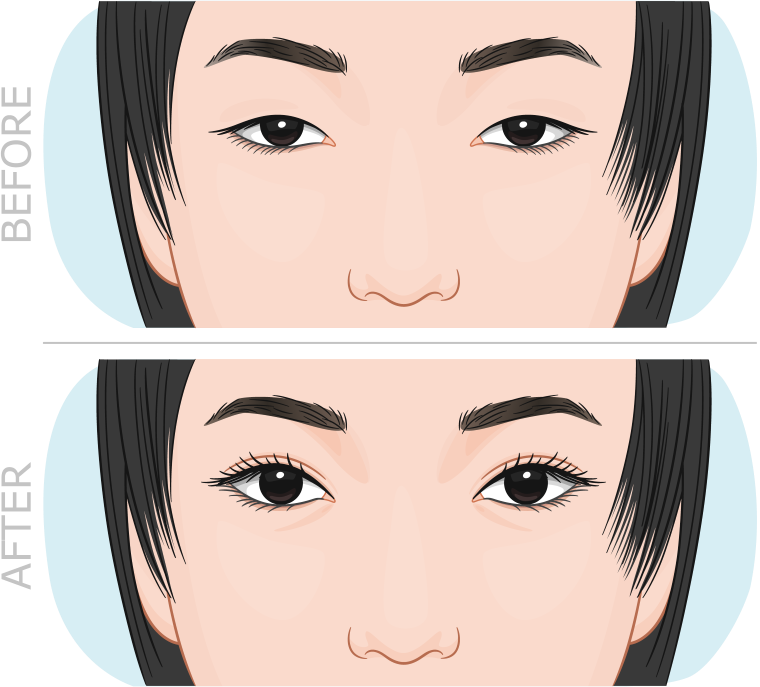
Asian blepharoplasty, commonly known as double eyelid surgery, is one of the most frequently performed cosmetic procedures in East Asia and among people of Asian descent worldwide. The surgery creates or enhances the upper eyelid crease (supratarsal fold), which is naturally absent or less defined in approximately 50% of people of East Asian heritage due to anatomical differences in eyelid structure. These include the supra-tarsal crease anatomy, the position of orbital fat and the level of levator aponeurosis attachment. While some individuals seek this procedure to address functional concerns such as vision obstruction from excess eyelid tissue, many pursue it for aesthetic reasons, seeking to create a more defined eyelid contour while maintaining their ethnic identity.
Procedure Benefits
Asian Blepharoplasty can improve upper eyelid contour by creating a natural-looking, lightweight crease that complements existing features. Benefits may include enhanced eyelid definition, improved symmetry, reduced heaviness and a brighter, more refreshed appearance. Unlike Westernised approaches, the procedure is tailored to Asian anatomy, respecting differences in skin structure, fat distribution and muscle position.
Common Concerns Addressed
This procedure may be considered for individuals with:
- A single eyelid without a defined crease
- Asymmetrical or uneven eyelid creases
- Blepharoptosis (Droopy eyelid)
- Puffiness caused by prominent fat pads
- Excess upper eyelid skin contributing to a heavy appearance
- Desire for a more contoured upper eyelid while preserving ethnic features
- Prominent medial epicanthal fold
- Eyebags or Discolouration
These concerns can be related to anatomical variations or ageing changes.
What to Expect
Having sought to understand the patient’s goals, Dr Joseph Luo will assess eyelid height, fold position, skin thickness and brow–eyelid relationship. Asian Blepharoplasty can be performed using a full-incision, partial-incision or suture method, depending on anatomy and desired crease definition. Incisions, when required, are placed carefully along the planned eyelid crease to keep scars discreet. The surgical plan prioritises natural proportions and crease stability without overcorrection.
In patients with excess upper eyelid skin, a sub-brow blepharoplasty may be considered. This is an increasingly popular technique in East Asia where the incision is placed immediately beneath the brow as opposed to the supratarsal crease. In patients with thicker upper eyelid skin, this approach can often provide a more harmonious result.
Recovery and Results
Swelling and mild tightness are common in the first week. Cold compresses, head elevation and gentle care help reduce early swelling. Most individuals return to normal activities within 7–10 days, although final refinement of the eyelid crease may take several weeks as tissues soften. The goal is a well-defined natural-looking crease that aligns with each patient’s facial characteristics and cultural identity.
Asian Rhinoplasty

Asian Rhinoplasty is a specialised approach to nasal refinement that considers the unique structural and aesthetic characteristics common in Asian patients. These may include softer cartilage, a lower nasal bridge, thicker skin or a rounded nasal tip. The procedure aims to refine nasal contour while maintaining harmony with overall facial proportions and preserving cultural identity.
Procedure Benefits
Asian Rhinoplasty can enhance structural support, improve nasal bridge height, refine the tip shape and maintain natural balance with surrounding features. Benefits may include better profile definition, improved symmetry and stronger tip projection. In some cases, the procedure can also address internal structural concerns that affect breathing function.
Common Concerns Addressed
Asian Rhinoplasty may be recommended for individuals with:
- A low or flat nasal bridge
- A rounded or under-projected nasal tip
- Wide nostrils or flared alar bases
- Thick nasal skin reducing tip definition
- Structural airway concerns such as a deviated septum
These concerns are typically related to natural anatomy rather than ageing.

What to Expect
During consultation, Dr Joseph Luo will listen and seek to understand your surgical goals. He will then examine nasal shape, cartilage strength, skin thickness and overall facial proportions. Asian Rhinoplasty may involve structural augmentation using cartilage grafts from the nasal septum, ear or rib. Alternatively, this may be achieved using implants or fat when appropriate. Techniques focus on strengthening the underlying framework while avoiding excessive narrowing or excessive augmentation that may appear unnatural.
The procedure is performed under general anaesthesia, using open or closed approaches depending on the patient’s requirements.
Recovery and Results
Swelling, congestion and pressure around the nose are common initially. A splint may be used for the first week to support the new structure. Most individuals resume light activities within 1–2 weeks, although subtle swelling, particularly at the tip, can take several months to fully settle. The goal is a more defined, proportionate nose that aligns with the patient’s aesthetic goals.
Asian Facial Contouring

Asian Facial Contouring procedures aim to contour facial shape according to one’s goals. Patient’s areas of concern may include a wider lower face, fuller cheekbones, a shorter chin or variations in jawline angle. Facial contouring focuses on creating smoother transitions and balanced proportions without compromising natural ethnic identity.
Procedure Benefits
Facial contouring can enhance harmony between facial regions by contouring bone structure or redistributing soft tissue. Benefits may include a slimmer jawline, more defined chin projection, softer cheek contour or improved facial symmetry. The approach is tailored to maintain natural balance and avoid overcorrection, emphasizing results that remain consistent with each patient’s cultural preferences.
Common Concerns Addressed
Individuals may consider Asian Facial Contouring for:
- Prominent or wide jaw angles
- Strong masseter muscles contributing to lower-face width
- Full or prominent cheekbones
- A short, recessed or broad chin
- Desire for a softer V-shaped or oval facial contour
- Change in overall face shape
Concerns may be hereditary and often influence facial balance rather than function.
What to Expect
Dr Joseph Luo will begin by listening and seeking to understand one’s concerns and goals. He then will assess facial proportions, jaw structure, soft tissue distribution and chin alignment. Treatments may include bone contouring procedures, chin augmentation, cheek reduction or masseter reduction through surgical or non-surgical approaches. For many individuals, combining subtle bone modification with soft tissue contouring provides the most balanced results.
Common procedures include:
Mandible Angle Reduction, Zygomatic Reduction, Genioplasty (osseous or implant-based), V-Line Jaw Surgery, Paranasal Augmentation, Facial Implants, Fat Grafting.
Incisions are placed in concealed locations, often inside the mouth or along natural creases, depending on the procedure. All techniques aim to preserve functionality while improving shape and proportion.
Recovery and Results
Recovery varies depending on the specific contouring procedures performed. Mild swelling, tightness and temporary numbness are common early effects. Soft foods, oral hygiene and gentle care support recovery in cases involving intra-oral incisions. Light activities typically resume within one to two weeks, though final refinement of facial shape takes several months as tissues settle. The goal is results that appear natural and proportionate, enhancing balance while honouring each patient’s ethnic features.
Non-Surgical Asian Aesthetic Treatments

Non-surgical treatments in Asian Aesthetic Surgery focus on enhancing facial balance, skin quality and contour without incisions and with minimal downtime. These treatments are tailored to Asian anatomy, considering features such as thicker skin, softer bone structure and unique aesthetic proportions. The goal is to provide subtle, natural enhancement while preserving cultural identity.
Procedure Benefits
Non-surgical options can refine contour, enhance definition and improve skin smoothness with minimal interruption to daily life. Benefits may include subtle volume restoration, improved hydration, refined jawline, enhanced nose bridge height or softened lines. Treatments are customisable and often performed gradually to maintain natural results.
Common Concerns Addressed
Popular non-surgical treatments may address:
- Low nasal bridge (liquid rhinoplasty)
- Chin or jawline definition
- Volume loss in the mid-face
- Wider lower face due to strong masseter muscles
- Wrinkles
- Lip Aesthetics
These concerns may arise from natural anatomy or early age-related changes.
What to Expect
During consultation, Dr Joseph Luo will evaluate facial shape, skin quality and your goals. Non-surgical treatments may include dermal fillers, neuromodulators, energy-based devices or skin-quality treatments. For liquid rhinoplasty, fillers may be used to enhance bridge height or refine contour. Chin and jawline shaping can improve lower-face proportions. Botulinum toxin may be used for masseter muscle reduction to soften jaw width or to treat wrinkles.
Most treatments are completed within a short appointment and require no anaesthesia beyond topical numbing.
Recovery and Results
Recovery is typically minimal, with possible short-term swelling or redness. Most individuals return to daily activities immediately. Results vary by treatment type; fillers show immediate improvement, while skin-quality treatments or masseter reduction demonstrate results gradually. Therapies are designed to look subtle, balanced and culturally appropriate, without creating an overtreated appearance.



Ready to Begin Your Journey?
Ready to take the first step towards achieving your aesthetic goals? Dr Joseph Luo and his team are here to guide you through every stage of your surgical journey with expertise, care, and personalised attention.